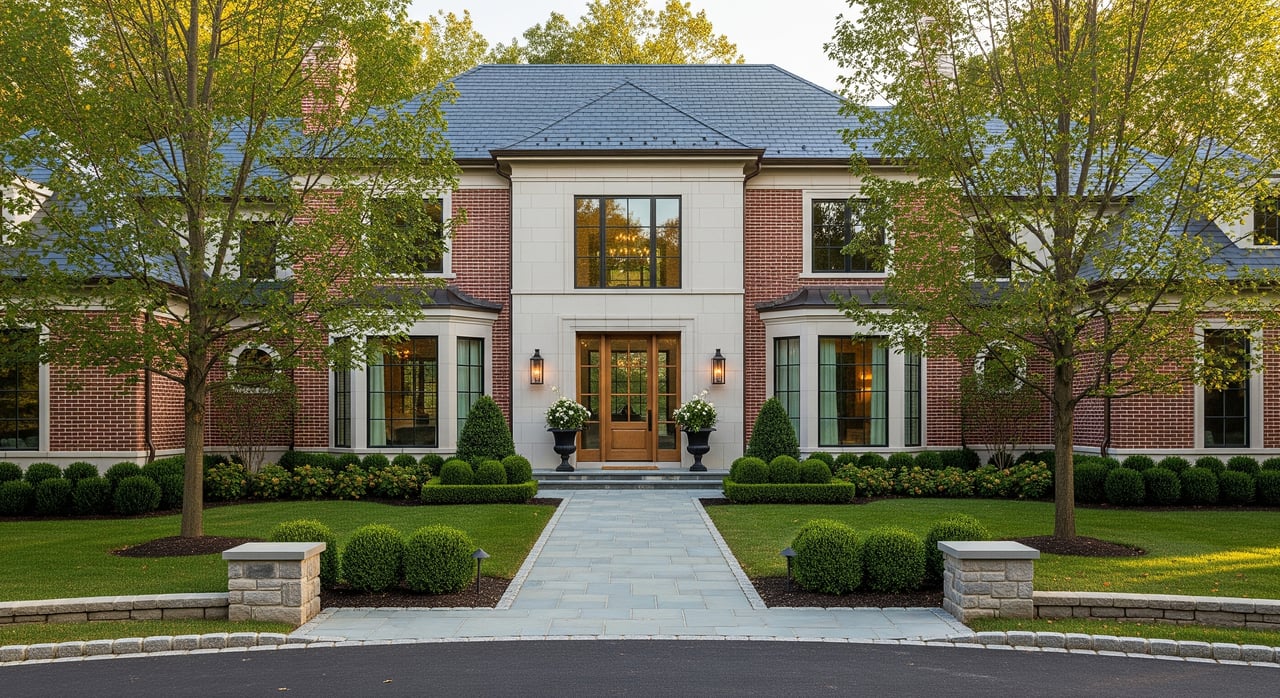
Strategic Price Bracketing for Powell Home Listings
January 15, 2026
January 15, 2026
Are you missing weekend showings by just a few hundred dollars on price? In Powell, many buyers set saved searches with round-number caps, so a small adjustment can decide whether your home lands in their alerts. Pricing feels like an art, but there is a clear tactic that uses how buyers search online to boost visibility and interest. In this guide, you will learn how to bracket your list price, which bands to target in Powell, how to test results, and what to track so you can make confident decisions. Let’s dive in.
Price bracketing means positioning your list price just inside a popular search cutoff to capture more saved searches and alerts. For example, $899,900 appears in the “under $900k” bracket while $900,000 can fall into a higher group for many buyers. Because most buyers start online and filter by price, being inside their set range increases the chance your listing shows up in their first round of results and new-listing emails. The left-most digit and round-number anchors also shape quick budget decisions, so being on the favorable side of a threshold can draw more clicks and tours.
Buyers in Powell and greater Delaware County commonly begin on major portals, set a price-max, and save their search. Many pick round-number thresholds by default, like under $700k, under $800k, or under $900k. Some keep ranges broad and sort by newest, while others use tight bands that exclude anything just above their line. Your goal is to land inside the most active band without compromising your net.
Start with fresh MLS and Columbus REALTORS reports focused on Powell and nearby subdivisions. Pull last 90 days for recency and the last 12 months for seasonality. Capture median price, days on market by price band, list-to-sale ratios, and the number of active listings within plus or minus 5 percent of your target range.
Create a simple frequency view by $50k or $100k bands, such as $600k–$699k, $700k–$799k, $800k–$899k, and $900k–$999k. Look for noticeable shifts in supply and absorption at round numbers. Note where showing traffic tends to drop or accelerate around a band so you can choose the right side of the cutoff.
If your home will compete for move-up buyers with a hard cap, consider pricing just under a key threshold to be included in more saved searches. If the band below a cutoff is crowded, test whether a price slightly above reduces head-to-head competition without hurting exposure. Always align bracket choice with your bottom-line proceeds and recent comparable sales.
Position the list price at $899,900 instead of $900,000 when the “under $900k” audience is your target. This moves you into more buyers’ saved alerts and can boost first-weekend showings. Keep the difference small enough to preserve your net while still clearing the round-number line.
When adjusting, favor $5k to $15k steps rather than large cuts. Small moves can unlock a different saved-search bracket without signaling distress. Time changes to hit new-listing notifications and weekend marketing windows.
If the bracket just below a cutoff is saturated with similar listings, a price slightly above can reduce direct competition and help your home stand out on features and condition. Use MLS comparisons to confirm you still attract qualified buyers in that higher band.
Testing removes guesswork and helps you learn how the market responds to your home.
Weekend traffic concentrates buyer attention, so set or adjust price midweek to prime your listing for Saturday and Sunday. Coordinate any change with open house plans and private previews. Let buyer agents with clients near the cutoff know about your price so their saved-search alerts pick it up.
Pricing just under a cutoff can lift exposure but may frame the home as a lower bracket to some buyers. In a move-up market, more traffic can lead to more offers, but if competition is weak, you risk a lower sale price. Your initial list price anchors negotiation and appraisal conversations, so support your bracket with recent comps and documented upgrades.
If a bracketed price triggers quick offers, ensure comparable sales support the final number to reduce appraisal gaps. When you expect bidding above list, prepare a package of condition notes, improvements, and comps so lenders and appraisers see the value.
In a suburban, family-oriented market like Powell, buyers compare homes across price bands using quick filters and saved alerts. Bracketing improves the odds your home is seen, but the presentation and campaign still drive results. Professional staging, media, and targeted distribution amplify the effect of smart pricing.
With a VIP Home Selling System, you can pair precise pricing with premium presentation. Professional staging and photography, single-property microsites, and 360 virtual tours showcase value to buyers within your target bracket. Pocket and exclusive listing options, plus hands-on transaction management, help you navigate offers, appraisals, and timing while protecting your net.
Ready to position your Powell home inside the most active buyer bracket and measure results with confidence? Connect with Nick Vlasidis to build a data-backed pricing plan and request your VIP home valuation.
We pride ourselves in providing personalized solutions that bring our clients closer to their dream properties and enhance their long-term wealth. Contact us today to find out how we can be of assistance to you!