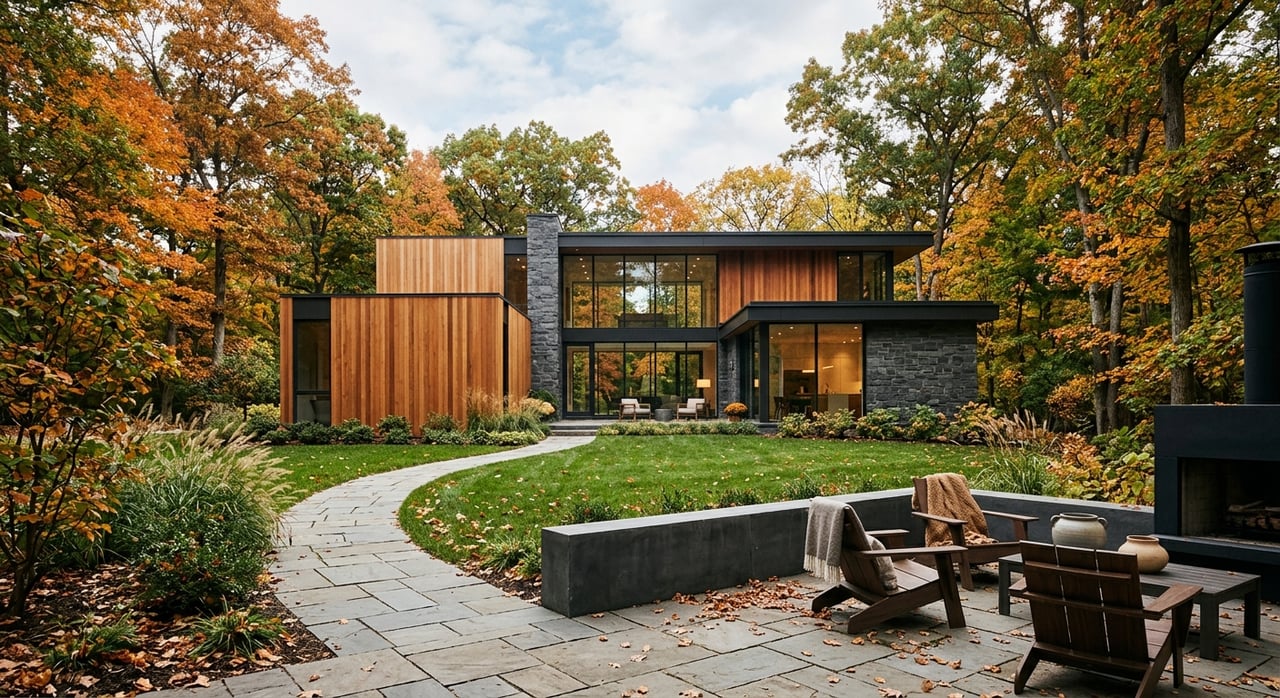
Why New Albany Leisure Trails Living Feels So Connected
June 18, 2026
June 18, 2026
Looking for a suburb that feels polished, connected, and easy to enjoy day to day? New Albany stands out because its trails, parks, Village Center, and housing all work together in a very intentional way. If you are considering a move or simply want to better understand what makes this community distinct, this guide will walk you through the lifestyle, layout, and market context that shape village living in New Albany. Let’s dive in.
One of the clearest things you notice about New Albany is how connected it feels. That is not accidental. City planning ties together neighborhoods, parks, trails, sidewalks, and civic spaces so you can move through the community in a way that feels cohesive rather than scattered.
The city says New Albany has more than 2,000 acres of open space and more than 80 miles of leisure trails. That trail system is a major part of everyday life here, not just an extra amenity. It helps explain why the community often feels active, walkable, and visually open.
In many suburbs, trails are a nice bonus. In New Albany, they are part of the lifestyle. Whether you enjoy walking, biking, jogging, or simply taking a quieter route through the community, the trail network adds convenience and character.
The city continues to refine the system, including evaluating missing trail links. That means the network is not only extensive, but also actively maintained as part of the community’s long-term planning. For buyers, that can be an important sign of how seriously public spaces are treated here.
New Albany’s broader park system gives the trail network even more value. The city highlights places such as Rose Run Park, Bevelhymer Park, Rocky Fork Metro Park, Taylor Farm Park, Ratchford Fens, Swickard Woods, Thompson Park, and Wexner Park, along with neighborhood parks.
These spaces support a wide range of uses, including walking loops, boardwalks, dog parks, athletic fields, playgrounds, and even a community garden. In practical terms, that gives you a lot of options for how you spend your time without needing to leave the area.
Rose Run Park plays a special role in the community. The city describes it as New Albany’s “central park,” and its location helps physically connect Market Square with the school learning campus.
That matters because it reinforces the idea of village living. Instead of isolated destinations, New Albany links important places together through green space and public design. The result is a community layout that feels more integrated and intentional.
Village Center is the social core of New Albany. It is planned as a connected, walkable hub centered on compact growth, mixed uses, and a variety of residential options.
The city defines Village Center as five districts: Market Square, the Historic Village Center, the Learning Campus, Windsor, and Ganton. Understanding that structure helps explain why this part of New Albany feels more layered than a typical suburban retail area.
Market Square has become the community’s main gathering place. It brings together civic destinations including the library, Village Hall, the post office, the McCoy Center for the Arts, the Philip Heit Center, and the Charleen & Charles Hinson Amphitheater.
Because so many daily and community functions are concentrated here, Market Square often serves as the practical heart of village life. It is not just a place to pass through. It is one of the main ways residents experience the community.
East Market Street is being guided toward retail, restaurants, and entertainment. That gives Village Center a stronger lifestyle component and supports the walkable, mixed-use vision behind this part of New Albany.
The city’s designated outdoor refreshment area, or DORA, adds to that experience. Adults can stroll and dine within a defined 41.9-acre area that includes parts of Market Square, Rose Run Park, and the Arts District during city-listed hours on Thursday through Saturday from 5 to 10 p.m.
The city currently lists participating merchants that include Bendi Wok N' Bar, BrewDog, Hudson29, Mellow Mushroom, and Rusty Bucket. For residents, that creates another layer of convenience and activity within the Village Center setting.
Village living in New Albany is less about density for its own sake and more about coordinated design. The community aims to blend civic spaces, trails, parks, dining, and housing in a way that supports daily life.
If you picture a place where you can enjoy public green space, move between destinations on sidewalks and trails, and spend time in a defined town-center environment, that is the essence of the lifestyle here. It feels planned, orderly, and centered on ease of use.
Some buyers assume New Albany is only made up of traditional single-family neighborhoods. In reality, the housing mix is broader, especially around Village Center.
The city has expanded Village Center housing with options such as luxury apartments at Market & Main. It also points to projects like The Hamlet at Sugar Run, which include flats, townhomes, and detached single-family homes.
The city’s planning says these housing choices are meant to serve young professionals, empty nesters, and residents who want to age in place. That gives Village Center a more flexible residential profile than many people expect.
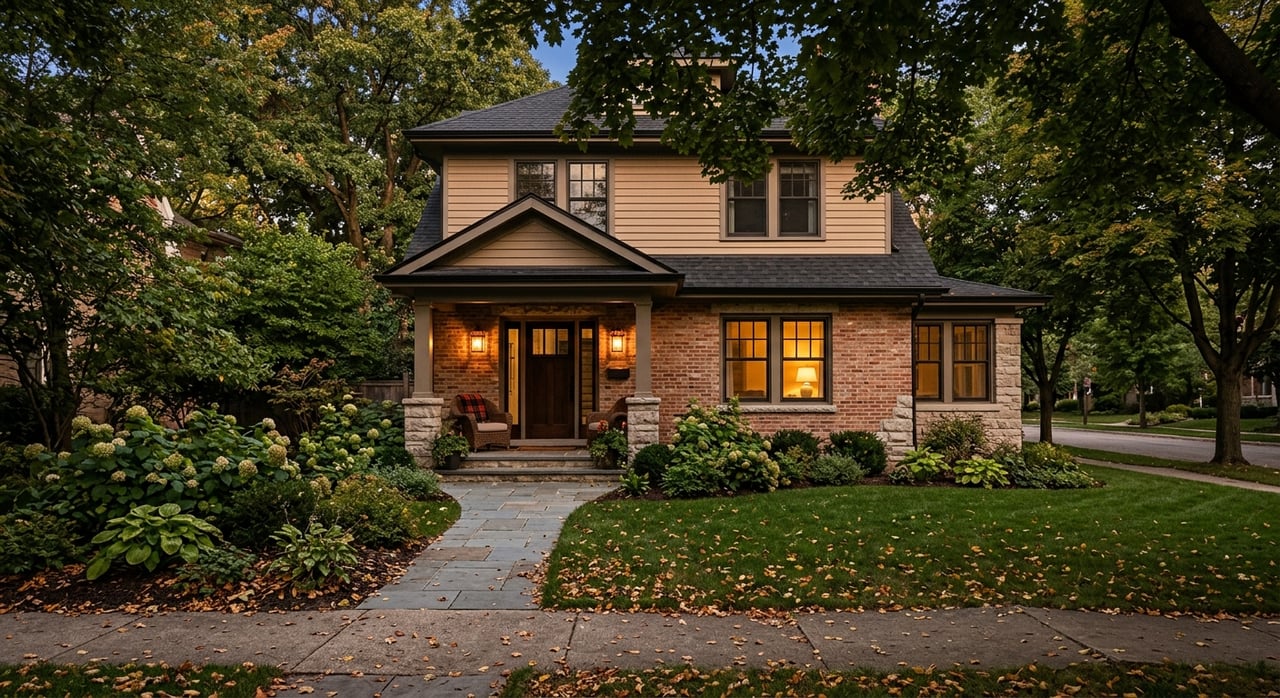
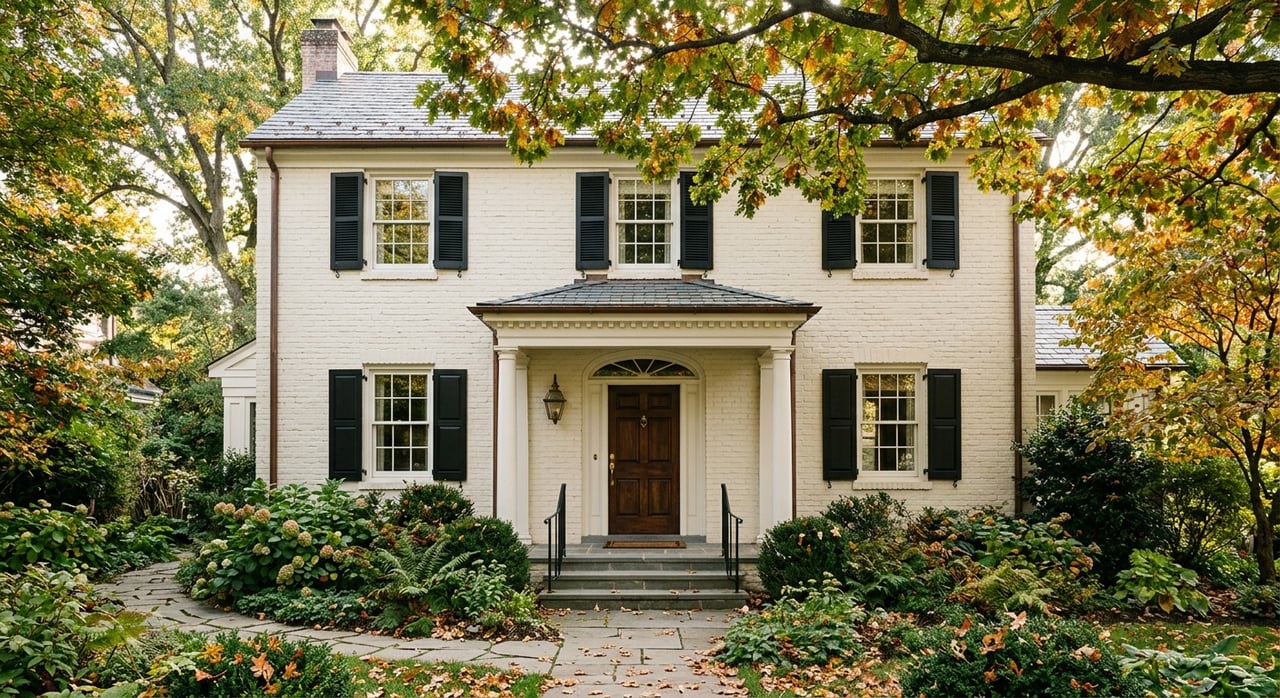
New Albany has a very recognizable visual identity. The city’s zoning approach and design guidelines support a traditional town-center form and call for American architectural precedent across the community.
The guidelines specifically reference Georgian, Federal, Greek Revival, Colonial Revival, Georgian Revival, and vernacular forms. Common features include symmetry, gabled or hip roofs, divided-light windows, porches or formal entries, and classical detailing.
That design framework helps explain why New Albany often feels coordinated rather than visually mixed. You do not tend to see a highly eclectic patchwork of house styles from one block to the next.
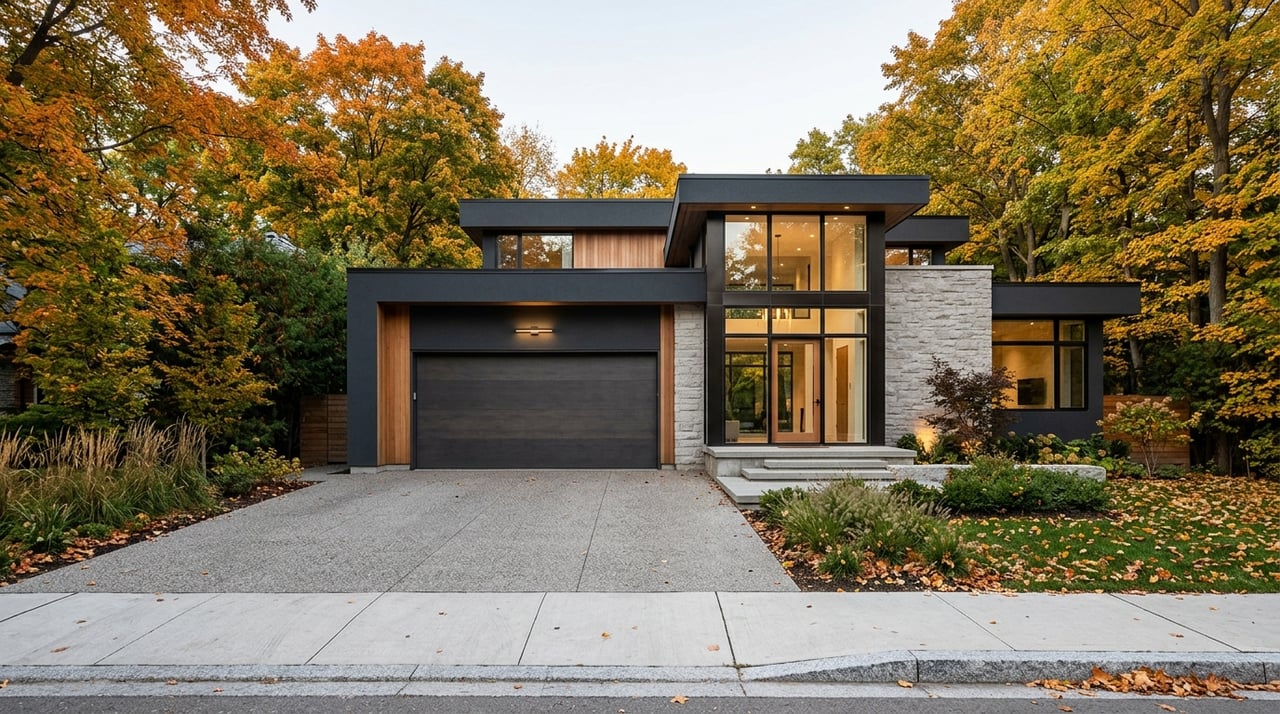
Instead, the practical effect is a polished and consistent streetscape. For buyers and sellers alike, that architectural continuity is part of what shapes the community’s premium identity.
Another important part of New Albany’s planning is where future growth is directed. The city says growth is being steered into connected corridors and infill rather than outward expansion.
That approach supports the village concept and helps preserve the community’s connected feel. It also reinforces why trails, public spaces, and Village Center matter so much in understanding the area’s long-term character.
From a pricing standpoint, New Albany is best understood as a premium, luxury-leaning market. It is not generally positioned as a broad entry-level market.
The city’s 2026 budget says the 2024 median sales price was $850,000, which it described as the highest in the Columbus metro. Redfin’s May 2026 snapshot placed New Albany’s median sale price at $1,044,375, compared with about $300,770 in Columbus overall, while Columbus REALTORS reported Franklin County’s April 2026 median sales price at $331,688.
Those numbers show a clear gap between New Albany and the broader surrounding market. If you are buying here, you should expect pricing that reflects the area’s design standards, amenities, and overall positioning.
If you are selling, this context also matters. Buyers in New Albany are often paying for more than square footage alone. They are also weighing location within the community, trail access, Village Center convenience, architectural presentation, and the overall lifestyle package.
Redfin shows homes in New Albany averaging about 32 days on market in May 2026. That does not tell the whole story for every price point or property type, but it does suggest a market where presentation and pricing strategy still matter.
The city’s budget also notes 3,842 homes across 21.9 square miles. That helps explain why New Albany can feel spacious and low density even while offering connected amenities and a central village structure.
A big part of New Albany’s appeal is that the community supports different life stages without losing its overall identity. The same connected framework can appeal to someone looking for convenience near Village Center, someone seeking a detached home in a polished neighborhood setting, or someone focused on access to trails and open space.
That flexibility is one reason New Albany remains so distinctive within Central Ohio. The experience is not just about one neighborhood or one housing type. It is about how the whole community has been planned to work together.
If you are trying to understand New Albany, start with the idea of connection. Trails link parks, parks connect civic spaces, Village Center creates a social core, and housing is shaped to fit the broader plan.
That is what makes village living here feel different. New Albany offers a carefully designed, amenity-rich suburban experience with strong architectural character and a market position that sits well above the Columbus norm.
If you are considering buying or selling in New Albany and want a tailored, high-touch strategy, Nick Vlasidis can help you navigate the market with local insight and concierge-level service.

We pride ourselves in providing personalized solutions that bring our clients closer to their dream properties and enhance their long-term wealth. Contact us today to find out how we can be of assistance to you!